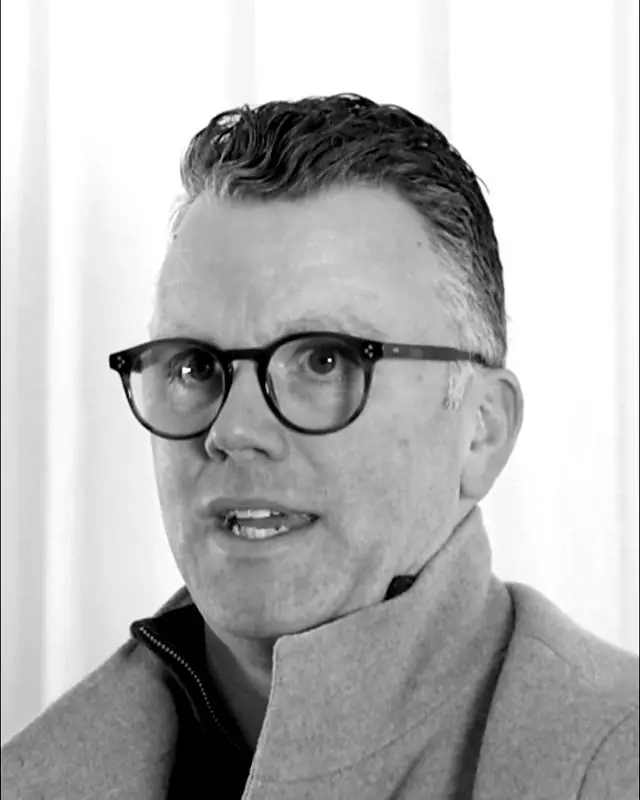
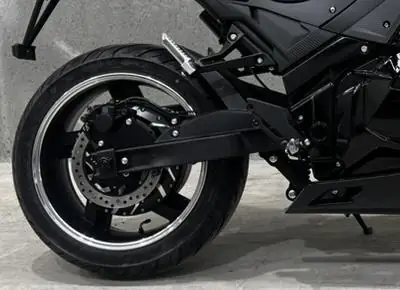
Handed the keys to a $40 million business at 21. Schooled in relentless growth at Specsavers. Rebuilt himself from corporate excess to Hyrox. Now running an electric motorbike business that grew 460% in a week, and planning to make himself redundant on purpose.
In this episode of Deals & Reveals, Cain Cooke takes us through his journey. He builds and sells electric motorbikes at Leki, sits on a string of boards, and talks about business the way a rider talks about a road: what it felt like when the throttle opened, where it got cold, what broke. This page follows the interview in order. The narrative carries his story; the charge points, marked with a red bolt, pull out the ideas a business owner can take straight back to work. Your battery in the top bar fills as you pass each one.
Chapter 1
460% in a week. Then everything broke.
What a sudden surge teaches you about the systems you thought were ready.
The story opens with a number most founders only dream about. In a single week, the business saw a 460% increase in growth. It arrived so fast that Cain's first instinct wasn't celebration.
“I actually thought someone had hacked our systems.”
Cain Cooke
0%
growth in one week, arriving “almost instantaneously”
What followed was an education compressed into days. Every lesson Cain had expected to learn gradually as the company scaled turned up at once, “in a really, really condensed period.” He names exactly where the pressure landed:
AssemblyBuilding bikes faster
DispatchGetting bikes out the door faster
EnquiriesResponding to customers faster
PaymentsCollating and reconciling them
Everything needed to happen at hyper speed. And the uncomfortable discovery was that the systems built for growth weren't built for this growth.
“Everything that we'd put in place that was kind of designed for ambitious growth just didn't work, or broke, or failed.”
Cain Cooke
Charge pointPlan for a spike, not just a slope
“Ambitious growth” plans usually assume a steady climb. Cain's systems were designed for growth and still buckled, because the surge was vertical. Take his four pressure points (assembly, dispatch, enquiry response, payment reconciliation) and ask of each: what happens if volume is five times higher next Monday? Which one breaks first, and who would notice?
They got through it. The business has absorbed that growth and settled into what Cain calls “a new normal.” But he isn't treating the new normal as the destination. He can already see signals that another wave is on the way.
“We can actually see some of the indicators that it's coming.”
Cain Cooke
So his focus has shifted. The highest-value thing he's doing right now, he says, is working on how the business is structured and the systems within it, so they're ready for that next level. He's realistic about it, too: some things will still break, “because nothing's perfect.” The aim is to unlock the value as it starts to compound.
Charge pointWatch the leading indicators, then build ahead of them
Cain isn't waiting for the next surge to prove itself in revenue. He's reading the signs early and spending his own time on structure before the volume arrives. Know which indicators tell you demand is about to move in your business: enquiries, waitlists, search interest, repeat orders. Decide in advance what you'll change when they move.
Charge pointExpect breakage and choose where it happens
“We'll break some of those things.” A founder who assumes nothing will fail gets blindsided; one who expects it can decide which parts must hold (customer experience, cash) and which can wobble for a week. Rank your systems by how much a failure would cost you, and harden the top of the list first.
Charge pointThe owner's job changes after a surge
After the rush, Cain moved his own attention from doing to designing: business structure and systems. If you're still the person fixing every bottleneck by hand, you are the bottleneck the next surge will find.
Chapter 2
From corporate excess to Hyrox finish lines
The same discipline that runs a business can rebuild a body. Cain proved it on himself.
Ten years ago, Cain says, “heavily overweight corporate Cain” would never have believed he'd one day own a gym. Years in corporate life had shaped a lifestyle he didn't fully notice he'd built.
He was living on an airplane and eating out every night. He didn't move his body much. He drank a lot of red wine. He's honest that he was enjoying it, “but I was having a good time, right?”, and just as honest that he'd fostered a really terrible lifestyle without realising it.
The turning point came when Dominique, now his wife, became pregnant. Something clicked, and it changed him completely.
“Right, I've gotta get fit. I can't be a dad at 35 and not keep up.”
Cain Cooke
He took on a challenge and quite literally shed 12 kilos in eight weeks. Then he kept going.
−12 kgin an 8-week challenge
−25 kgmore, over the period that followed
~90 kgwhere he sits today
Since then he has completed Hyrox a couple of times, run a few half marathons, and is determined to do a full marathon. His kids, he says, are a great motivator to sort yourself out. But the real insight came quickly and had nothing to do with his legs.
“If I applied the same discipline and the same brain training that I have in business to my body, I could do a Hyrox.”
Cain Cooke
A bloke who couldn't run to the corner of the street could suddenly do a Hyrox, and in a pretty decent time. “That was all my head,” he says. His body has niggles, and running a half marathon hurts. What draws him in is that it's a head game, and the questions he asks himself on the course are the same ones that excite him about business:
How far can I push it?
What disciplines do I need to put in place?
Can my brain take me from here to here?
His conclusion is generous: “Arguably, we can all do that.”
Charge pointDiscipline is a transferable system
Cain didn't find new willpower; he moved an existing operating system from his business into his health. The reverse is just as useful. If you've built routines, accountability and progress tracking in one part of your life, you can lift them into the part of the business that's stalling.
Charge pointA strong “why” beats a goal
Years of knowing he should change didn't move Cain. A reason that mattered (becoming a dad who could keep up) did, almost overnight. When you need a team to change behaviour, anchor it to a reason they care about, not just a target on a dashboard.
Charge pointRun Cain's three questions on your business
How far can we push it? What disciplines would we need to put in place? Can we get from here to there? They're simple enough to put at the top of a planning session, and honest enough to show where ambition is outrunning the habits that would support it.
Charge pointThe founder is an asset worth maintaining
Flights, dinners out and long nights felt like part of the job, and Cain was “having a good time.” The cost built quietly. Your energy is one of the business's key resources; treat it with the same attention you'd give to cash flow.
Chapter 3
The customer designs the bike
Why every feature on Cain's motorbikes traces back to something a rider asked for.
Cain is clear about where innovation comes from in his business, and it isn't the founder's whiteboard.
“The innovation is not necessarily innovation led by what we think is a great idea. It's based on what does the customer want.”
Cain Cooke
Take charging. Riders told the business they needed to deal with range anxiety and to tap into the charging network that already exists. So the bikes got inbuilt Type 2 charging.
Then there's the heated seat. They didn't add it because it sounded like a good idea. One by-product of riding electric is that you lose the ambient engine heat that keeps you a bit warmer on a traditional motorbike. Customers told them they needed a way to keep warm, and Cain had felt it first-hand, coming down Greenhill Road on a four-degree morning. “It's bloody cold.”
The heated seat: added because riders asked for it, not because it sounded good.
Customers said
“We need to deal with range anxiety and use the existing network.”
So they built
Inbuilt Type 2 charging
Customers said
“We need a way to keep warm.”
So they built
A heated seat
Customers said
“We want one that looks like this.”
So they're building
The next motorbike
It goes beyond features. The next motorbike itself is being shaped by what customers say they want it to look like.
Charge pointSolve the objection, not the spec sheet
Range anxiety is a reason people don't buy electric. Instead of trying to out-engineer it alone, the business plugged into infrastructure that already exists. Ask what's stopping your customers from buying, and whether someone else's network could remove that barrier for you.
Charge pointUse your own product in the worst conditions
Customer feedback told Cain the cold was a problem; a four-degree descent of Greenhill Road made him feel it. When you experience your customer's pain yourself, you prioritise it properly. Put yourself through your own product or service on a bad day, not a showroom day.
Charge pointLet customers write the roadmap
“We didn't introduce a heated seat ’cause it sounds like a good idea.” A simple test for any new idea: can you name the customers who asked for it, and quote what they said? If not, it's still your idea, not theirs.
Chapter 4
From “I want one” to “I'm riding” in about a week
Speed of delivery, and the premium paid to make the first moment a good one.
Cain's favourite thing to see? Someone pops up as an enquiry and, within a week, they've bought. “That makes me very happy.” One of the key drivers behind that, he explains, is the business's ability to get bikes out the door.
Here's how fast it moves if you order on a Friday:
FridayYou place your order.
By WednesdayThe bike is assembled, QA'd and out the door.
As early as the following FridayIt arrives, depending on where you are in the country.
The week after, at mostFor riders in Far North Queensland or Perth. “That's just logistics-based.”
Isolator switch on. Ride.Fully charged, nothing to unpack.
And they pay a premium to make that last step feel right. Bikes travel with a premium bike mover, fully enclosed and dust-proof, and roll off ready to ride. There's no uncrating and no unpackaging. The battery is fully charged; you switch on the isolator and go.
“That's all about how we create great moments for customers, and also reduce that time between ‘wanna buy’ and ‘now I'm riding’.”
Cain Cooke
Charge pointMeasure “wanna buy” to “now I'm using it”
Most businesses measure time to sale. Cain measures the gap between desire and enjoyment, and works to shrink it. Map that gap for your own customers, day by day, and look for the step that adds the most waiting for the least value.
Charge pointFast fulfilment helps you sell
Cain links quick conversions (enquiry to purchase within a week) to the ability to get bikes out the door. When customers know they'll have the product soon, there's less reason to wait. If your lead times are long, they may be costing you sales, not just satisfaction.
Charge pointSpend money where the first impression happens
A cheaper freight option exists; they choose the premium mover anyway because the delivery is the customer's first real moment with the product. Find your equivalent moment (onboarding, install, first invoice, handover) and consider whether that is where an extra dollar does the most work.
Chapter 5
The keys to a $40 million business at 21
Where Cain's business education really started: in charge before he knew what he didn't know.
Before the motorbikes, before the boards, there was real estate. Cain had come out of practising in a real estate business, and the next thing he knew, he was at state office holding the keys to what was then the number three business in South Australia.
21his age when he was handed the keys
$40Mthe size of the business
No. 3its ranking in South Australia at the time
“I would arguably say now I had no idea what I was doing. But at 21, I thought I did.”
Cain Cooke
He was, in his words, desperate for it. And it was a really exciting time, because he learned a lot, most of all by discovering everything he didn't know. Including how to deal with franchisees who had decades and decades of experience, “and I'd literally finished school.”
Charge pointHunger is worth backing
Someone gave a 21-year-old who was “desperate for it” the keys to a top-three business, and it shaped a career. If you have hungry people on your team, the fastest way to grow them may be real responsibility, sooner than feels comfortable.
Charge pointConfidence isn't the same as knowing
“At 21, I thought I did.” Young leaders (and new owners at any age) can't see their own blind spots. If you're promoting someone into a big role, give them people they can ask, and build in regular check-ins that help them find what they don't know yet.
Charge pointYou will lead people who know more than you
Cain was straight out of school, working with franchisees who had decades in the industry. Every leader eventually manages people more experienced than they are. The goal isn't to out-know them; it's to learn fast and make their experience count.
Chapter 6
Imposter syndrome and a curious brain
Why Cain sits on so many boards, and why he still asks “how did this happen?”
At 43, with a business, a gym and a string of board seats, Cain says he has full-blown imposter syndrome. Not occasionally: “I do that all the time.”
“I sit in rooms with people now that teenage Cain probably didn't even know existed. How did this happen?”
Cain Cooke
So why so many boards? The short answer, he says, is simple: “I can't do one thing.” In his late twenties and early thirties he learned that he had to do more than one thing. He has a highly curious brain and can digest a lot of information quickly. For a long time he shied away from that. Now he embraces it.
“That's just the way my brain works, so just let it happen. Don't be afraid of that.”
Cain Cooke
His days at Leki, the motorbike business, are hands-on. Some days he's selling bikes; some days he's putting them together. The board work lets him flex his brain in different ways, learn new things and help steer organisations using the “collection of random knowledge” he's picked up over the years.
On the floorSelling bikes at Leki
In the workshopPutting bikes together
In the boardroomHelping executive teams grow
The skill, as he describes it, is drawing pieces of information and data points from all these businesses, then helping each executive team use them to grow.
Charge pointImposter syndrome doesn't wait for you to “make it”
Cain feels it at 43, in boardrooms, after years of results. If you're waiting for the doubt to go before you take the bigger role, the bigger client or the next hire, you may wait forever. Treat the feeling as a sign you're stretching, then act anyway.
Charge pointBorrow data points from other businesses
Cain's value on a board comes from patterns he's seen elsewhere. Owners can get the same advantage: sit on a board or advisory group, join a peer network, or bring an outside adviser onto your own. Ideas from other industries are often the ones your competitors haven't tried.
Charge pointStay close to the shop floor
Even with multiple board roles, Cain still sells and assembles bikes himself. Strategy works better when it's informed by what customers say at the counter and what slows things down in the workshop. Block out regular time doing frontline work in your own business.
Chapter 7
Make yourself redundant
Cain's career rule: bring your skills, do the job, get out while you're still useful.
“I don't know where it's come from,” Cain says, “but it's just the way I'm wired.” He wants to make himself redundant. He has a set of skills; deploy them, get it done, then get out.
Boards suit that, because every member has a usefulness. He is still on the board of Adelaide Festival Centre because he's still useful there. If he wasn't, he'd be out. And he's already applied the same thinking to his own business.
Build itLeki is a three-to-five-year scenario for Cain.
Sell it“We'll build it and we'll sell it…”
Hand it to the next leader“…for somebody else to take it to the next level, because my usefulness will expire.”
He thinks people often hold on to things too long, falling into a nostalgic idea that you need to be somewhere for twenty years to prove you're good at what you do. For some people that's absolutely great, he says, “hats off to people that can do that.” He can't.
“Sometimes we hold onto things too long.”
Cain Cooke
Charge pointDecide your horizon early
Cain knows his time frame for Leki: three to five years, then a sale. Knowing your horizon shapes today's decisions. A business that's built to be handed over needs systems, documentation and a team that can run it without the founder. Those make it more valuable even if you never sell.
Charge pointTest your own usefulness honestly
“If I wasn't useful, I'd be out.” Ask it of yourself in each role you hold: am I still the best person for this, or am I staying because it's familiar? The answer may point to the next role you should hand over.
Charge pointThe next level may need a different leader
Cain expects someone else to take Leki to its next stage. The founder who gets a business off the ground isn't always the one to scale it. Planning for that, through succession, a buyer or senior hires, is a sign of strength, not failure.
Chapter 8
From the corner office to the smoothie counter
The leap Cain took to find out if his success was skill or luck.
The corporate career was going well. Then Cain had a moment of clarity that he describes with characteristic bluntness.
“I'm gonna be an old white guy before I'm 30. I can't stay here.”
Cain Cooke
He wanted to do something really fun. He needed to be challenged; his brain needed something new. He also wanted to work out what it was like to be in his mid-twenties, because he'd spent his late teens and early twenties working around the clock. That's the hidden cost of being handed the keys to a $40 million business without knowing what you're doing and pretending you do: you work all hours to be prepared for Monday.
He doesn't regret it. But he reached a point where things were going well and the real question was: who am I going to be, and what am I going to do? So he wrote three letters to three brands. One of them was Boost.
Before
A corner office
After
A month in the shop
Before
A suit every day
After
A black T-shirt
Before
Running state office
After
Making smoothies and cutting oranges
“What have you done, mate? But it was the best thing.”
Cain Cooke
The leap was really a test. At Century 21, they'd hit a market downturn and grown the business anyway. They were having a good time. But there was a little gremlin in his head.
“Is this just luck? I'm a school dropout from the southern suburbs of Adelaide. Am I just a hustler, or can I do this again?”
Cain Cooke
He wanted to validate it to himself, and he went and did, here and there. The interviewer suggests he's probably still validating it. Cain agrees: at 43, full-blown imposter syndrome, “I do that all the time.”
Charge pointProve it's skill by repeating it somewhere new
Growing a business through a downturn could have been luck. Cain's answer was to try to do it again in a completely different industry. If you want to know whether your playbook is real, test it in a new market, a new product line or a new team. What carries over is your skill.
Charge pointAsk for the opportunity you want
Cain didn't wait for a recruiter. He wrote three letters to three brands he wanted to work with. Whether it's a partner, a supplier or a key hire, a direct and specific approach to a short list often beats waiting to be found.
Charge pointLearn the business from the counter
From the corner office, Cain went to a month in a shop, making smoothies and cutting oranges, and called it the best thing he did. New leaders (and owners who've drifted upstairs) learn more from a few weeks on the front line than from any report.
Chapter 9
The adrenaline rush
What actually drives Cain, in a single sentence.
Asked what gives him the buzz, Cain brings everything back to the idea that runs through this whole interview.
“This ability to make yourself redundant, deploy what you have quickly and well, have impact, change the game and then move out to do that: that's probably the kind of adrenaline rush that I enjoy.”
Cain Cooke
Broken down, it's a loop he's run again and again: at a real estate group at 21, at Boost, in the boardroom, and now at Leki.
Deploy what you have, quickly and well
Have impact
Change the game
Move out, and do it again
Charge pointKnow what gives you the rush, and design your role around it
Cain knows exactly what energises him: arriving, making an impact, changing the game and moving on. Name your own version. If the business needs you in a role that drains you, that's a signal to hire, delegate or restructure, so you spend most of your time where you're at your best.
Chapter 10
“Sexy, clean, modern”
The interviewer's own first impression of Leki, as a potential customer.
This time the interviewer does the talking, describing what happened the first time he went to Leki's website and looked at the bikes.
“The first thing I thought was, ‘This looks sexy, looks clean, looks modern.’ And then when I saw the advertised price, I thought, ‘Wow.’”
The interviewer
Sexy, clean, modern: the gloss-black fairing that made the first impression.
His next question was simply: how do you do that? He'd looked at motorbikes before, second-hand ones on Marketplace, and his reaction was immediate: for what you're getting, that seems like really good value.
Charge pointYour website makes the first impression in seconds
Before reading a word of copy, a first-time visitor had judged the brand as sexy, clean and modern, and then the price confirmed it. Look at your own homepage as a stranger would: in five seconds, what does it say about you, and does your price back it up?
Charge pointKnow what customers compare you with
The benchmark in this buyer's head wasn't another electric brand; it was second-hand bikes on Marketplace. Your real competitor is often the alternative the customer was already considering. Ask new customers what else they looked at, and price and position against that.
Chapter 11
Chasing 30%, delivering 50%
What Specsavers taught Cain about ambition and the power of a shared mission.
One of the big things Cain took from Specsavers was being really ambitious about growth. It was a shock to the system.
By then he had about 12 years in franchising, where there's a franchising code and you have to be conservative: you can't overpromise. Then he walked into a business that said, plainly, “We are gonna get 30% growth this year.” His first reaction: you can't say that.
“We would stand in front of our franchisees and say, ‘We're chasing 30%. That's what we're gonna do.’ And then we would do 40%, or we would do 50%.”
Cain Cooke
30%the growth target, said out loud
40%what they'd deliver
50%in the best years
It worked, he says, because it was relentless, and because it was about capturing the market quickly in service of a clear mission: best-value eye care for everyone. Young, old, rich, poor, whatever your cultural background. It was for everyone, and everyone was on that bandwagon.
Charge pointSay the ambitious number out loud
A target stated plainly to the whole network gave everyone something to chase, and they beat it. If your growth goal only lives in a spreadsheet, your team can't rally behind it. Pick a number that stretches you and say it to the people who have to deliver it.
Charge pointPair the target with a mission people believe in
30% on its own is just a number. “Best-value eye care for everyone” gave it a purpose, and that's what got everyone on the bandwagon. When you set a growth goal, explain who it helps and why it matters.
Cain's franchising background is a reminder that some promises carry legal weight. Ambitious internal targets are one thing; projections you make to franchisees, investors or customers may be regulated. Know which conversations need care before you set the tone.
Chapter 12
Value creates volume
How the Specsavers playbook translates to electric motorbikes.
So how does Leki deliver that value? Cain walks through what you get for your money in the current model.
Type 2 chargerBuilt in
Heated seatsStandard
Heated gripsStandard
Up to 110 kmRange on a single charge
About $2Cost of that charge
100 km/hWhen you need it
City commuter or 100 km/h: the same bike does both.
It's a really good quality bike that will do 100 km/h if you need it to, and will also get you around the city. Competitors, he says, sit anywhere from $25,000 to $60,000 Australian. You might get a bit more range or a bit more power with them, but that's not the game Leki is playing.
Deliver valueA quality product at a price that surprises people.
Create volume“That creates a volume-based pressure.”
Drive mass adoptionMore people riding electric.
“If we can deliver a product into market that is value, then we can create volume, which means we can drive mass adoption. That's how the Specsavers translates.”
Cain Cooke
Charge pointChoose your game: premium or volume
Leki deliberately concedes a little range and power to competitors costing $25,000 to $60,000, and wins on value. Decide which game you're in. Trying to match the premium player on every spec while also being the value option usually means doing neither well.
Charge pointSell what customers get, in their terms
Cain doesn't lead with specs for their own sake. He translates them: about $2 to go up to 110 km, heated seats and grips, gets you round the city or up to 100 km/h. List your offer the way a customer would describe it to a friend.
Charge pointStrategies travel across industries
Eye care and electric motorbikes have nothing in common, except a value-to-volume model that works in both. Look at businesses outside your industry that solved your kind of problem, and borrow the model, not the product.
Chapter 13
The ultimate mind game
A return to the idea from chapter 2: fitness and business run on the same engine.
This short clip revisits the moment from chapter 2 where Cain explains why running and Hyrox appeal to him. His body has niggles; running a half marathon hurts. That isn't the point.
“It's a head game. It's exactly the same principles that make me excited about business, make me excited about fitness.”
Cain Cooke
How far can I push it? What disciplines do I need to put in place? Can my brain take me from here to here? And, as he says, “arguably, we can all do that.” The lessons from this idea are in chapter 2.
Chapter 14
Ride, experience, decide
Why Leki sells through discovery, and what happens once someone has ridden one.
Cain sees electric motorbikes as a change for most riders, so Leki treats the sale as discovery. They're not forcing anyone to ride an electric motorbike.
“Ride one. Super cool, instant torque, really fast, super efficient way to get around. Come and experience it, and your eyes might be open to a new way of riding.”
Cain Cooke
He contrasts that with the friction points of a traditional brand or OEM, often working through a traditional dealership. Leki's message is simpler: just come and discover, have a ride, and then make a decision. And there's a reason they're confident in that approach.
~82%
of test rides convert, “once someone's ridden one.”
Charge pointIf the product sells itself, get it into people's hands
With roughly 82% of test rides converting, Leki's biggest growth lever is simply more test rides. Find the moment in your own business where prospects are most likely to say yes (a trial, a demo, a site visit) and make it as easy as possible to reach.
Charge pointInvite, don't push
When you're asking people to change their habits, pressure creates resistance. Leki frames the sale as discovery: come and try it, then decide. If your product asks customers to do something new, lower the stakes of trying it.
Charge pointKnow your conversion rate at each step
Cain can quote his test-ride conversion off the top of his head, and that tells him where to focus. Measure each stage of your own sales process, from enquiry to quote to trial to sale, so you know which step to improve first.
Chapter 15
Read yesterday's feedback before yesterday's sales
One of the best lessons Cain learned at Specsavers, and how leaders can use it every morning.
One of the things Cain loves about high-volume retail is that you get real-time data and insight every single day. If you capture it correctly, you can almost pair sales revenue against what your customers are telling you.
Specsavers, he says, was beautiful at it. And it gave him what he calls genuinely one of the best lessons he learned there.
Don't start the morning with
Yesterday's sales
Start with
Yesterday's customer feedback
Get in, look at the feedback, and hone in on what you need to improve today. As leaders, he explains, we're always looking at the top line and the bottom line: are we doing enough sales, and is that turning into profit? Great. But go to the customer first, and look at what they're telling you.
“Then you can understand how that draws a correlation to those two numbers. You are absolutely gonna be on fire.”
Cain Cooke
Charge pointChange your morning ritual
Revenue tells you what happened; customer feedback tells you why. Make the first ten minutes of your day about yesterday's reviews, complaints and comments, then pick one thing to fix today.
Charge pointPut feedback and revenue side by side
Cain's point is that the two are linked: what customers say today shows up in sales and profit later. Track them together (by day, store or product) and look for the patterns, so you can see which complaints are costing you money.
Charge pointCapture feedback properly
“If you capture it correctly” is the catch. Feedback that lives in staff memories or scattered inboxes can't be read each morning. Set up one simple system (post-purchase surveys, review alerts, a shared log) that puts it all in one place every day.
Chapter 16
“I'm a builder”
What Cain learned about himself after Boost and Specsavers, and why maintenance mode drives him mad.
Both Boost and Specsavers were super fun, Cain says. But it was only towards the end of his Specsavers years that he understood something about himself he wouldn't have recognised when he started.
“I'm a builder. I enjoy the chaos of things when it's time to build.”
Cain Cooke
Rolling up your sleeves, things not working, experimenting, trialling, pursuing growth: that's where he gets really excited. But brands mature, and when they move into maintenance mode, he's blunt about it.
When it's build mode
Chaos, experiments, things that don't work yet
Cain
“That's where I get really excited.”
When it's maintenance mode
A mature brand that needs to hold steady
Cain
“I'm not your guy. I'd prefer to headbutt a brick wall.”
Charge pointKnow whether you're a builder or a maintainer
Neither is better, but they're different jobs. Builders thrive on chaos and experiments; maintainers thrive on consistency and refinement. Work out which you are, and which stage your business is in. A mismatch costs you energy and costs the business results.
Charge pointWhen the business matures, bring in the steady hand
If you're a builder and your business has moved into maintenance mode, the answer isn't to force yourself to love it. Hire or promote someone who enjoys running a stable operation, and point your own energy at the next thing to build.
Charge pointSelf-knowledge takes years, so look for the pattern
Cain only saw this about himself near the end of his time at Specsavers. Look back over your own career: which periods energised you, and which ground you down? The pattern usually tells you more than any personality test.
Chapter 17
Many boards, one set of problems
The unexpected payoff of working across very different organisations.
When you're in one business, Cain says, you can become very siloed and very focused. When you're across multiple businesses, in whatever form, you pick up new skills, new insights, new data points and new lessons that you can feed into your own business, or into others.
Animal Welfare LeagueBoard work
Carrick Hill TrustChair
Real estate industryBoard work
Adelaide Festival CentreBoard work
What the Animal Welfare League needs, what Carrick Hill Trust needs and what the real estate industry needs are all completely different, he says, “but also kind of the same.” There are strategic challenges you're solving for each of them that you might then apply to your own business. “100%.”
The interviewer points out that Cain likes doing hard things and getting things done, and that board roles put him right at the pinnacle of that. The Festival Centre alone has had a whole bunch of challenges to overcome, from demographics to refurbishments. It's scratching that itch, and it's benefiting his businesses too.
“There's so much reward in doing that work.”
Cain Cooke
Charge pointDifferent organisations, same strategic problems
An animal welfare charity, a heritage trust and an industry body look nothing alike, yet Cain finds the same strategic challenges underneath. Your business's problems (funding growth, keeping members or customers, renewing tired assets) have almost certainly been solved somewhere else. Go and find out where.
Charge pointOutside roles are an investment, not a distraction
It's easy to see a board seat or community role as time away from your business. Cain sees the opposite: the lessons flow straight back in. If you're feeling siloed, a not-for-profit board is one of the most practical ways to broaden your thinking while giving back.
Chapter 18
The real reason Specsavers grew
Not the targets, not the marketing: the people.
For all the ambition and the 30% targets, Cain is clear about what actually made mass growth possible at Specsavers.
“We could deliver mass growth at Specsavers because we had great people, and we loved on those people really hard.”
Cain Cooke
Investedin them
Cheeredthem on
Picked them upwhen they fell over
Pushedwhen they needed it
Pulled backwhen they needed that
Charge pointGrowth targets need people who feel backed
Specsavers could chase 30% and hit 50% because its people were invested in, cheered on and picked up when they fell. If you're setting ambitious goals, ask whether your team feels supported enough to go after them.
Charge pointKnow when to push and when to pull back
Cain describes both: a push when someone needs it, and a pullback when they need that instead. Good leadership reads the individual. In your next one-on-ones, ask yourself which each person needs right now.
Chapter 19
Brand and system
The second big lesson from Boost and Specsavers, explained with a banana smoothie.
The other thing Cain learned from those two businesses is about brand. Both were system-based businesses that let you do a lot almost automatically and deliver volume, and both were haloed by a brand.
His example is Boost's Banana Buzz, without taking anything away from it. It's been the number one seller for decades, and you could make one at home.
What's in it
Banana, milk, a bit of honey, some vanilla yoghurt
Why people buy it
The brand, the location, what it means, the experience
People don't buy the Banana Buzz for the recipe, he says; they buy it because of the brand, the location, what it means and the experience that comes with it. And the same logic applies to Leki.
“We could take an electric motorbike, give it an average brand, and it will be an average electric motorbike, because of the way that people perceive it.”
Cain Cooke
So Leki spends a lot of time on brand: what it means, who the target market is and how it resonates with them. Then the system flows off that.
Charge pointCustomers buy the brand, not just the product
A smoothie you could make at home has been the top seller for decades. If you're competing only on what your product does, you're leaving the biggest lever untouched: what it means to the people who buy it.
Charge pointBrand first, then build the system from it
Leki defines what the brand means, who it's for and how it resonates, and then lets the system flow from that. Do the brand work before designing your processes, so every system reinforces the experience you've promised.
Charge pointSystems are what make volume possible
Boost and Specsavers could deliver volume because their systems let the work happen almost automatically. If growth depends on you or a few key people doing things by hand, it will stall. Systemise the repeatable parts so your people can focus on the experience.
Chapter 20
A 25-year trust bridge
How relationships from Cain's early real estate days still pay off today.
The relationships Cain built back in real estate have lasted. Today he chairs the real estate industry body locally and sits on its national board, and some of the relationships he built 25 years ago are still highly valuable.
25 yrssince those relationships began
Chairof the local real estate industry body
Nationalboard seat
“That's why I get to chair the industry now, because there's a trust bridge that was created all that time ago.”
Cain Cooke
Charge pointRelationships compound like interest
The people Cain worked with at 21 helped put him in the chair 25 years later. Every supplier, client, competitor and colleague you treat well today is a deposit. Look after those relationships long after the deal is done.
Charge pointBuild trust bridges before you need them
You can't build trust at the moment you need it. Stay in touch with people from past roles, help without expecting anything back, and keep your word on small things. That's what turns into opportunity decades later.
Chapter 21
People first, hands down
Why clever tactics only go as far as the people leading the business.
There are clever marketing tactics, Cain says, and a lot of intelligence goes into opening a location and all those sorts of things. But that's not what decides the outcome.
“You live and die by the people that lead those businesses.”
Cain Cooke
Just as important is how you structure the business around them, so that the people in it can do the things they're really good at, and none of the things they're not. Every business he's been involved with, he says, would tell you the same: people first, hands down.
Charge pointLeadership quality beats tactics
A great location and smart marketing can't rescue a store with a weak leader. When a site, team or division underperforms, look at who's leading it before you change the tactics.
Charge pointDesign roles around strengths
Cain's rule is people doing what they're really good at, “and none of the things that they are not.” List what each key person is best at and what drains them, then restructure roles, hires or outsourcing so the weak spots are covered by someone else.
Chapter 22
The war room
How Specsavers went after its biggest competitor, every single day.
Specsavers' growth wasn't polite. Cain describes a business that simply did whatever it had to do to win.
Buy an independentto get open in a location
Open across the roadwhen a competitor was too slow
Pour more into marketingto drive volume into stores
Expand a storewhen demand called for it
They even had a war room where they would literally strategise. The target was Luxottica, the major competitor at the time, which held most of the market share in Australia, and its CEO.
“The remit was: make sure when he opens the paper in the morning, he chokes on his cornflakes, because Specsavers is doing something that he can't believe.”
Cain Cooke
And that's what they did, he says, every day.
Charge pointDecide in advance what you're willing to do to win
Specsavers' answer was “whatever we have to”: acquire, open opposite, spend more, expand. You don't have to be that aggressive, but you should know your own limits before an opportunity appears, so you can move quickly when it does.
Charge pointGive competition a face and a daily rhythm
“Beat the market” is vague. “Make the market leader's CEO choke on his cornflakes” is vivid, and it gave the team a daily mission. Name the competitor you're chasing and meet regularly to plan your next move against them.
Charge pointSpeed is a weapon
Opening across the road happened “because they were too slow.” In many markets the advantage goes to whoever acts first. Look for decisions in your business that sit waiting for weeks, and find ways to make them in days.
Chapter 23
The gremlin returns
A second look at the question that pushed Cain out of real estate.
This clip revisits a moment from chapter 8. Cain's team at Century 21 had hit a market downturn and grown the business anyway. Things were good. And still, the doubt crept in.
“Is this just luck? I'm a school dropout from the southern suburbs of Adelaide. Am I just a hustler, or can I do this again?”
Cain Cooke
His answer was a leap of faith: go and find out whether he could do it somewhere else. The lessons from that leap are in chapter 8.
Chapter 24
Why walk away at the top?
The interviewer takes Cain back to the start of his journey.
Here the interviewer rewinds all the way. Cain was an executive at Century 21 at 21. Then at 25, at the top of his game, he decided he didn't want to stay in real estate.
“Why not just do that for the next 20, 30 years and have a very comfortable life? What was the driving factor to completely uproot everything you know and you're good at, and go to a new industry and forge a new pathway?”
The interviewer
It's the question every successful person faces at some point: why give up a sure thing? Cain's answer, from the old-white-guy-before-30 moment to three letters and a month of cutting oranges at Boost, is told in chapter 8.
Chapter 25
The discovery centre
A tiny city shop where the staff aren't allowed to sell.
The bikes are “away” at the warehouse, where the next model will be revealed. But Leki also runs what Cain calls a little experiment: a small shop in the city, and a completely non-traditional approach to selling motorbikes.
They took a tiny shop in Ebenezer Place, a much more traditional retail and hospitality precinct, and “quite cool in there.” They call it a discovery centre.
See the bikeWalk in off the street.
Touch and feel itGet up close.
Take it for a rideThe step that changes minds.
Understand how it worksThen decide, with no hard sell.
And here's the twist: the people in the shop are not salespeople. They're not allowed to sell.
“I get really cranky if they do the hard sell, because this has to be a process of learning and discovery. We know that the bike will sell itself once you've ridden it.”
Cain Cooke
Charge pointGo where your customers already are
Motorbikes are usually sold from dealerships on industrial strips. Leki took a tiny shop in a retail and hospitality precinct instead, where people are already browsing. Ask whether the usual place to sell in your industry is the best place for your customers to discover you.
Charge pointDesign the role around the job you need done
If the bike sells itself after a ride, the job isn't selling: it's helping people learn and get on a bike. So the staff are guides, and the hard sell is banned. Check that your team's roles, targets and incentives reward what actually wins customers.
Charge pointTest big ideas small
Cain calls the discovery centre “a little experiment.” A tiny shop is a low-cost way to test a new retail model before committing. When you want to try something unconventional, find the smallest version that will still tell you whether it works.
Chapter 26
The “yes” guy
After 25 years in corporate life, who Cain says he really is.
Asked who he is at his core, Cain says there are probably ten different answers. But over 25 years of corporate life, he's worked out who the honest person is underneath the different hats.
The “yes” guy“I say yes to probably too much, arguably.”
People and kindness“I always lead with people and with kindness.”
Gets things done“The guy that will push through and make things happen.”
He's also genuinely passionate about things, and that shapes how he takes on commitments.
“When I do say yes to things, I wanna do them really well. I'm all in. I'm not a half-in kind of guy.”
Cain Cooke
Charge pointKindness and drive aren't opposites
Cain describes himself as someone who leads with kindness and someone who pushes through to get things done. You don't have to choose between being liked and getting results. Be warm with people and firm about outcomes.
Charge pointIf you say yes, go all in. If you can't, say no
Cain admits he says yes to too much, and his safeguard is that every yes gets his full effort. For most owners, the better discipline is the reverse: before you commit, ask whether you can give it your best. Half-in commitments cost you time and reputation.
Chapter 27
Do the highest-value thing first
Cain's twist on “eat the elephant first,” and why ticking boxes can fool you.
When you're younger, everyone tells you to eat the elephant first: do the hard thing first, don't just tick off the easy things. Cain applies a different lens.
The usual advice
Do the hardest thing first
Cain's lens
Do the highest-value thing first
And not necessarily the highest-value thing for today. The question is: what's the high-value thing that will set me up for later?
TomorrowWhat sets me up?
Next weekWhat sets me up?
Next monthWhat sets me up?
Next yearWhat sets me up?
Those are often the things we shy away from. Instead we go, “I've done this, I've sent that email, I've got my beautiful little tick-box list.” It makes us feel productive.
“Some of the things that create better long-term prosperity or outcomes for you are the high-value things, and if you can tackle those first, it becomes easier over time.”
Cain Cooke
Charge pointRank tasks by value, not difficulty
Hard and valuable aren't the same thing. Before you start your day, ask which task will create the most value down the track, and do that one first, even if something else feels more urgent or more satisfying to tick off.
Charge pointBeware the satisfying tick-box list
Clearing emails and small jobs feels like progress, and that feeling is the trap. At the end of a week, look at what you ticked off and ask how much of it will matter in a year.
Charge pointHigh-value work compounds
Cain's point is that tackling the high-value items first makes everything easier over time. Hiring well, building systems and strengthening key relationships all pay back repeatedly. Protect time for them every week.
Chapter 28
Back behind the smoothie counter
A return to the moment Cain swapped the suit for a black T-shirt.
This clip revisits chapter 8: from a corner office and a suit every day to a month working in a Boost shop in a black T-shirt, making smoothies and cutting oranges.
“What have you done, mate? But it was the best thing.”
Cain Cooke
The lessons from that leap are in chapter 8.
Chapter 29
What's next: The Yard
The overweight corporate executive who never imagined owning a gym now has one.
Asked what's next, Cain comes back to something from chapter 2. Ten years ago, “heavily overweight corporate Cain” would never have thought he'd own a gym.
Now they've secured the rights to The Yard gym in the Adelaide Hills. And he's clear about why.
“Not because that's gonna be the thing that makes us rich, but because actually we've got a great community up there.”
Cain Cooke
A great communityIn the Adelaide Hills
Somewhere great to trainFor themselves too
A local partnerAnother great local family
A ready cohortPeople who'll want to be part of it
Charge pointStart with the community, not the spreadsheet
Cain's reason for The Yard isn't the return; it's the community and a cohort of people he believes will want to join. A business with a built-in community has customers before it opens. Before launching, ask: who already wants this, and how many of them do I know?
Charge pointPartner with people who are already local
They're doing The Yard with another great local family. In a community business, local partners bring trust, networks and credibility you can't buy. Look for partners whose reputation opens doors you can't open yourself.
Chapter 30
“Tell us what you need”
What it's like to work inside a privately owned business that's serious about growth.
Cain holds up one business as a great example: entirely privately owned and entirely privately funded, with an incredible business model.
It cares deeply about growth and about outcomes. And when it decides to move, there's no hesitation.
“We are going to go and get them. Tell us what you need to make that happen.”
Cain Cooke, describing the owners' attitude
That, he says, is a really exciting thing to be part of.
Charge pointPrivate ownership can be a speed advantage
Without outside shareholders to convince, a privately owned business can back a decision and fund it quickly. If you own your business, use that freedom: when the opportunity is clear, decide fast and commit fully.
Charge pointAsk your team: what do you need?
“Tell us what you need to make that happen” is one of the most energising things a leader can say. Set the goal, then ask the people delivering it what resources, support or decisions they need from you, and give it to them.
Chapter 31
12 kilos in 8 weeks
A return to Cain's fitness turnaround.
This clip revisits chapter 2: 12 kilos gone in an eight-week challenge, another 25 over the period that followed, and about 90-odd kilos today.
“I've now done Hyrox a couple of times, I've run a few half marathons. I'm determined to do a full marathon.”
Cain Cooke
The lessons from his transformation are in chapter 2.
Chapter 32
From hundreds of thousands to a million
Nine years on the Adelaide Festival Centre Foundation, and why Cain is leaving.
Some of Cain's boards, he says, are genuinely just passion. He has been on the Adelaide Festival Centre Foundation for nine years. The arts are super important to him: “They say jump, I say how high.”
When he joined
Raising hundreds of thousands of dollars
Now
A million, and one of South Australia's largest endowments
He has to retire in September, and he's devastated about it. But he's the one who argued for it.
“I'm also a proponent for tenure. I said, ‘We've got to have tenure, because people stay forever.’”
Cain Cooke
The board work, he says, really allows him to flex some of the muscles in his brain.
Charge pointSet term limits, even for yourself
Cain pushed for tenure knowing it would end his own time on a board he loves. Fixed terms bring in fresh thinking and stop roles becoming permanent by default. Apply the same idea to your advisory board, key committees or even long-standing roles in your business.
Charge pointTurn one-off income into an asset
The foundation went beyond raising more each year; it built one of the state's largest endowments, money that keeps working. Look for ways your business can build lasting assets (recurring revenue, a loyal community, owned channels) instead of chasing one-off wins.
Charge pointGive your time where your passion is
“They say jump, I say how high.” Cain brings his best energy to causes he cares about, and the results show it. If you're choosing where to volunteer or serve, pick something you love: you'll stay committed and contribute more.
Chapter 33
As cool as Apple earphones
Boost in 2008: a brand so strong kids stole empty cups.
Cain joined Boost in 2008, just as it was really starting to take off. He still remembers the market research from that time, around when Apple's white corded earphones were everywhere.
“It was as cool to be wearing a pair of Apple earphones back then as it was to have a Boost cup in your hand.”
Cain Cooke
Kids would steal Boost cups from the shops and walk around with nothing in them, because it was street cred. “It was ridiculous.” The brand was ballooning, and Cain was right in the middle of it as national operations manager.
2008Joins Boost as it takes off
National ops managerHis role
Company-owned + franchiseA huge network of both
Every WestfieldA deal to open in every centre around the country
“It was a really dynamic brand.”
Charge pointKnow what your brand says about your customer
People carried empty Boost cups because of what the cup said about them. The strongest brands are a badge. Ask your customers what using your product says about them. If the answer is “nothing much,” there's room to build.
Charge pointUse research to find out where you stand culturally
Boost's market research showed its cup sat alongside the most desirable tech accessory of the day. That kind of insight tells you how much your brand can carry. Research how customers see you, not just what they think of your product.
Charge pointRide the wave with the right footprint
While the brand was hot, Boost locked in a deal to open in every Westfield in the country. When demand peaks, move fast to secure the locations, partners or channels that will carry you once the hype settles.
Chapter 34
Up in 2, out in 3
The mosh-pit days of Boost, and the service rule that kept them moving.
It was a long time ago, Cain says, but the fronts of Boost stores used to be like mosh pits: dozens and dozens of people, queues going out the door. So they had a rule.
2 minLongest you should wait in the queue
3 minLongest you should wait for your smoothie
Dozensof people queuing out the door at peak
Shops were crammed full of kids smashing out smoothies, playing tunes, flipping jugs and throwing ice in the air. By the end of the day they'd be a complete mess. “It was nuts.”
“But they were really, really fun.”
Cain Cooke
Charge pointMake your service standard short enough to remember
“Up in 2, out in 3” is five words that every team member in every store could recite and measure. Turn your most important service promise into a rule that simple, and your team will actually hold to it on the busiest day.
Charge pointEnergy is part of the product
Music, flipping jugs and ice in the air made a smoothie queue part of the fun. When your team enjoys the work, customers feel it. Think about what the experience of buying from you feels like, not just what you sell.
Chapter 35
Dad bod to dad fit
The moment everything changed, revisited.
This clip returns to chapter 2 and the moment Dominique, now Cain's wife, became pregnant. Something clicked and completely changed him.
“Right, I've gotta get fit. I can't be a dad at 35 and not be able to keep up.”
Cain Cooke
The lessons from that turning point are in chapter 2.
Chapter 36
Have the bike when they're ready
Why stock availability matters so much for a big, slow decision.
Leki always knew stock availability mattered, Cain says, and it doubled down on it when demand exploded. The reason is the way people buy.
He describes the bikes as a value item, but for a lot of people they're still a big investment. If you're going to hand over $13,000 for a motorbike, you want to be sure about it.
Dip inA first look at the website or the bikes.
Dip out, and back in againVarying touch points over three or four months.
DecideFinally ready to buy.
The bike is in stockNo waiting at the moment of yes.
“Often people dip in and out on varying touch points over three or four months before they actually finally purchase.”
Cain Cooke
Charge pointBe ready at the moment of yes
After months of deciding, a customer who finally says yes and hears “eight weeks” may change their mind. Leki doubled down on stock so that never happens. Know which products or services customers expect immediately, and make sure you can deliver them on the day.
Charge pointPlan for a long, looping decision
Customers dip in and out over three or four months. A single ad or one follow-up call won't carry them. Map the touch points a prospect sees over that time (website, socials, test ride, emails, reviews) and make sure each one keeps them moving.
Charge pointValue to you can still be a big decision for them
Cain sees the bikes as good value and still recognises $13,000 is a big investment for many buyers. Don't let your view of your pricing shape how you treat the customer's decision. Give them the reassurance a big purchase deserves.
Chapter 37
Drawing the data points together
A return to how Cain's board work feeds the businesses he advises.
This clip revisits chapter 6, where Cain describes what he brings to a board.
“How do I draw pieces of information and data points from all these businesses, and then help the executive team, through that board engagement, to utilise those things to grow a business?”
Cain Cooke
The lessons on borrowing data points from other businesses are in chapter 6.
Chapter 38
The letter
What Cain actually wrote to Boost, and the clarity that came with it.
Back in chapter 8, Cain wrote three letters to three brands. He still has a copy of the one he sent to Boost, and he laughs about it now: “I don't know what I was thinking.”
Here's what he offered them:
My energyAll of it
My daggy dance movesSeriously
My franchising experienceThe serious part
It got him an interview. And, he says, it was a real moment of clarity for himself that change was going to be a good thing.
Charge pointPitch the person, not just the CV
Cain led with energy and personality before his experience, and it matched a fun, high-energy brand perfectly. When you pitch for a client, partner or role, show what you're like to work with alongside what you've done, especially if their brand runs on personality.
Charge pointWriting it down creates clarity
Putting the letter on paper was the moment Cain knew change would be good. If you're stuck on a big decision, write the pitch, the plan or the letter. Seeing it in your own words often tells you whether you really want it.
Pit board: every lesson from the ride
Every charge point from the interview so far, in one place. Screenshot it, share it with your team, or use it as an agenda for your next planning day.
Cain plans to build Leki, sell it and hand it to the next leader. Whether you're growing, buying, selling or planning for succession, talk to Deal Advisory about where your business goes next.
General information only. This page shares the experiences and views of the people interviewed. It is not financial, legal or tax advice and doesn't take your circumstances into account. Talk to a qualified adviser before making decisions about your business.